Four London walks worth doing from your front door
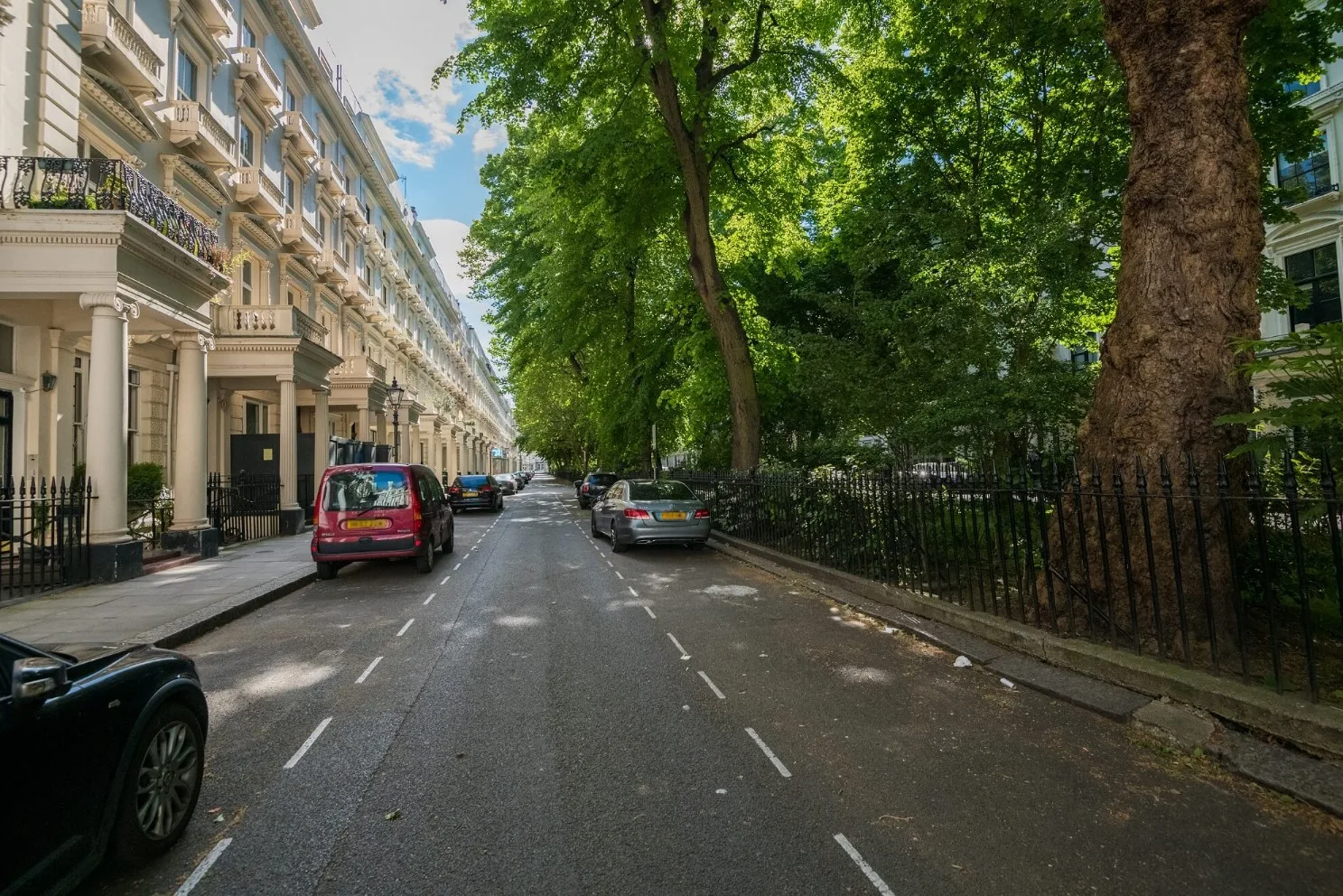
Central London is smaller on foot than the Tube map makes it look. Each of these four walks takes one to two hours at an easy pace, and while all of them pass stations, so you can bail out and tap home with a contactless card, you won't need the Tube to do any of them.
Mayfair, St James's and Theatreland
Start in Grosvenor Square and walk south down South Audley Street, cutting through Mount Street Gardens to come out on Mount Street. Keep going east to Berkeley Square, then along Bruton Street to New Bond Street. Head down Bond Street to Piccadilly and turn into Burlington Arcade, which has run between Piccadilly and Burlington Gardens since 1819 and where beadles in top hats still enforce the old ban on whistling, singing and running. Back on Piccadilly, cross to Jermyn Street for the shirtmakers, then drop down St James's Street to St James's Palace and into St James's Park.
Do this one on a weekday morning. On Sundays many of the smaller shops are shut and Mayfair empties out, which is lovely for a stroll but hopeless for browsing. It's also the walk to choose on a wet, windy day, when there's an arcade or a shop doorway every few metres.
The theatre walk starts at Leicester Square. Go up Wardour Street to Shaftesbury Avenue and turn left towards Piccadilly Circus, past the Gielgud, the Apollo and the Lyric, then double back east to Cambridge Circus and the Palace Theatre. Cross Charing Cross Road and take West Street, where the St Martin's Theatre has housed The Mousetrap since 1974, right next door to the Ambassadors, where it opened.
Carry on to St Martin's Lane for the Noël Coward, the Duke of York's and the Coliseum, home of English National Opera. Finish in Cecil Court, the little passage of antiquarian bookshops and print dealers where the young Mozart lodged in 1764; it comes out on Charing Cross Road, a few minutes from Leicester Square. Time it for about 6.30pm on a show night, when the doors open and the street fills up.
Staying in London?
Search 155 serviced apartments, or ask a residence for its private direct rate.
Get the direct rate → or call 020 3790 7766
The Thames and the City
From Pimlico, walk down to the river at Pimlico Gardens and head east along Millbank. After about ten minutes Tate Britain comes up on your left; it's free, and the Turner collection alone is worth the detour. Carry on to Victoria Tower Gardens beside the Houses of Parliament, then cross Westminster Bridge for the view back to Big Ben. Come back along the south bank past Lambeth Palace and cross again at Lambeth or Vauxhall Bridge, depending how far you fancy going. This stretch of the south bank path is calmer than the part east of Westminster Bridge and keeps the whole Parliament frontage in view, but it's the most exposed of the four walks, so check the weather first and wear shoes that can cope with wet flagstones on Millbank.
The Square Mile empties on Saturdays and Sundays, and that's the time to look at the buildings. Start at Leadenhall Market, Horace Jones's 1881 market hall on Gracechurch Street, which stood in for Diagon Alley in the first Harry Potter film, with Lloyd's of London's steel building at the Lime Street end. Walk west along Cornhill to the Royal Exchange and the Bank of England at Bank junction, then down King William Street and along Cannon Street to number 111, where London Stone sits behind glass on the ground floor. It is the most talked-about lump of limestone in the City, though the old story that the Romans measured distances from it has no archaeological evidence behind it whatsoever.
Weekends come with a catch. Most of Leadenhall's shops and restaurants keep weekday hours, roughly 10am to 6pm, and close on Saturday and Sunday, so if you want the market busy, come on a weekday lunchtime instead, and watch your footing on the City's cobbles.
London weather by month
July is the warmest month, averaging 23°C by day. July has the fewest wet days (9) and October the most rain (80 mm). For sightseeing on foot, June scores best on our combined warmth-and-dryness measure.
| Month | Avg high | Avg low | Rain | Wet days | Chance a 7-day stay sees a washout | Record high / low |
|---|---|---|---|---|---|---|
| January | 8°C | 2°C | 74 mm | 13 | 53% | 16°C / -12°C |
| February | 8°C | 2°C | 51 mm | 10 | 43% | 18°C / -8°C |
| March | 11°C | 4°C | 45 mm | 9 | 44% | 23°C / -7°C |
| April | 14°C | 5°C | 54 mm | 10 | 44% | 26°C / -3°C |
| May | 17°C | 8°C | 54 mm | 9 | 39% | 30°C / -1°C |
| June | 20°C | 11°C | 58 mm | 9 | 35% | 34°C / 2°C |
| July | 23°C | 13°C | 52 mm | 9 | 34% | 34°C / 4°C |
| August | 22°C | 13°C | 68 mm | 9 | 37% | 37°C / 4°C |
| September | 19°C | 11°C | 62 mm | 9 | 39% | 29°C / 2°C |
| October | 15°C | 8°C | 80 mm | 11 | 47% | 27°C / -2°C |
| November | 11°C | 5°C | 76 mm | 12 | 52% | 18°C / -6°C |
| December | 8°C | 2°C | 69 mm | 12 | 50% | 16°C / -8°C |
Calculated NOAA GHCN-Daily observations at the Hampstead weather station, north London (records 1960–2015; averages from about 25 years per month). A wet day has 1 mm of rain or more.