Stay in a stable, a mansion block or a listed townhouse
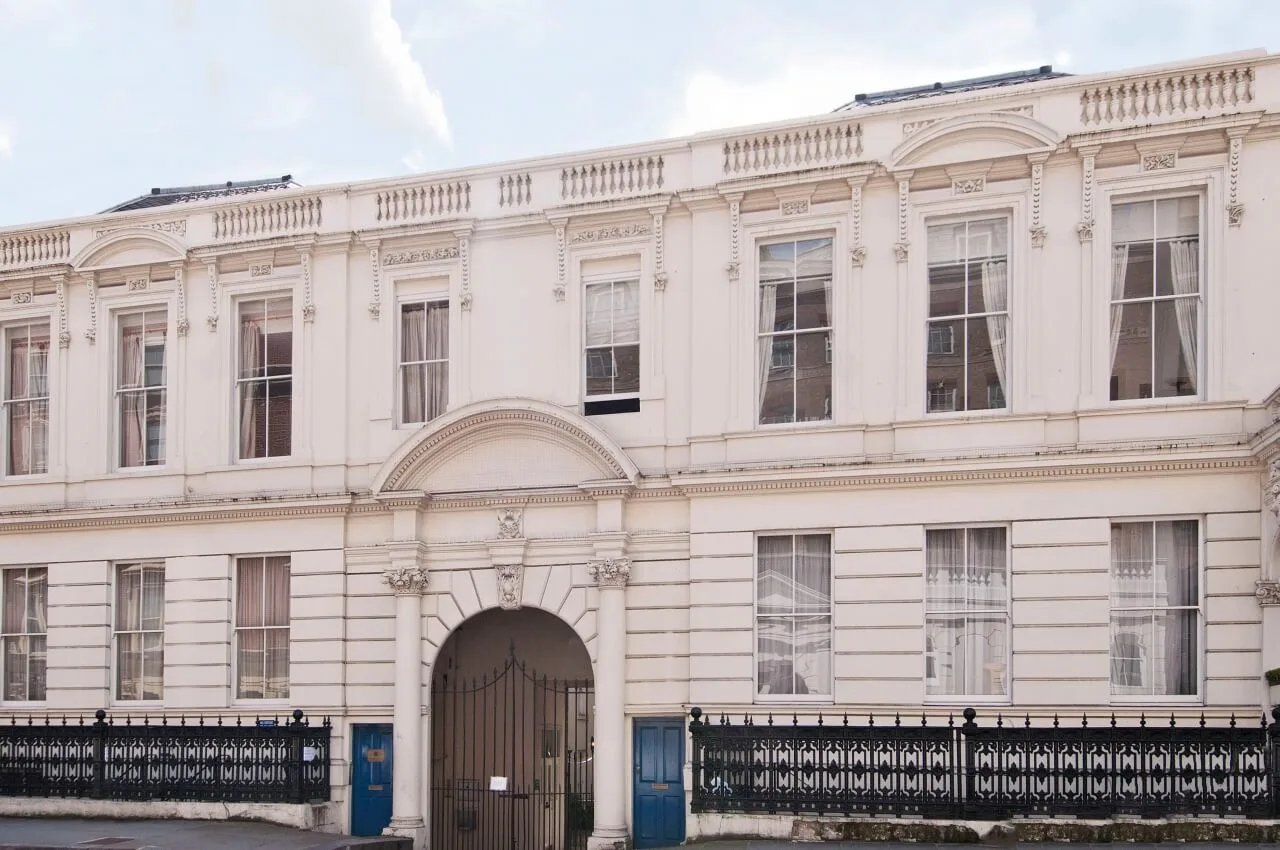
A converted stable in a cobbled mews, a flat in a Victorian mansion block, a floor of a listed Georgian townhouse: these are the unique places to stay in London worth finding, ordinary building types that most visitors never get inside. Each has a character a new-build can't fake, and each comes with a catch.
Mews houses and mansion blocks
Mews were built as stables and coach houses behind the grand terraces of Kensington, Knightsbridge, Belgravia and Mayfair, with rooms above for the grooms. Converted, they make small, self-contained houses on cobbled lanes with next to no through traffic, and Ennismore Gardens Mews in Knightsbridge shows the type at its prettiest. The catch is that the ground floor was built for horses, so it can be dark, and the stairs are often steep and narrow. Ask where the bedrooms are, and whether the kitchen's at street level or at the top of the house.
Mansion blocks, the big red-brick apartment buildings that went up from the 1880s, were London's answer to the Parisian apartment. Albert Hall Mansions, next to the Royal Albert Hall, is usually named as the first, and Kensington, Marylebone and Chelsea are full of its descendants, while the 1930s version, all long corridors and porters' desks, lines Sloane Avenue in blocks such as Nell Gwynn House. Ceilings are high and rooms generous, but lifts are a lottery. Some blocks have a small original one, some have none, and only about half the residences we list have a lift at all, so ask before you turn up with heavy luggage or a pushchair.
Listed townhouses and warehouse conversions
In the oldest parts of the West End, a serviced apartment is often one floor of a listed townhouse, with tall sash windows, working shutters and a fireplace you're not allowed to light. Some Mayfair residences have well over a hundred listed buildings within a few minutes' walk, Covent Garden and Marylebone aren't far behind, and conservation areas such as Mayfair, Harley Street and Covent Garden keep the surrounding streets much as they were. Listing is one reason air conditioning isn't everywhere, since changes to a listed building need consent. A high-ceilinged first-floor room stays cooler in July than you'd think, though a top-floor room under the roof won't.
Covent Garden's back streets still have 19th-century warehouses built to serve the old fruit and vegetable market, and some now hold flats with exposed brick, iron columns and big windows. For warehouse living on a bigger scale, look at the converted wharves of Shad Thames by Tower Bridge and the old workshops of Clerkenwell, though both sit outside the central areas where most residences on this site are.
Staying in London?
Search 155 serviced apartments, or ask a residence for its private direct rate.
Get the direct rate → or call 020 3790 7766
River views and garden squares
A proper Thames view is rarer in central London than you'd expect, because long stretches of the river are lined with embankment roads and offices rather than homes. Your best chances are near Victoria Embankment Gardens, on the southern edge of Covent Garden, and along Chelsea Embankment. If a listing promises a river view, ask which room it's from and whether it's straight ahead or a sideways glimpse from a side window.
London's garden squares, the railed private gardens in the middle of Georgian and Victorian terraces, are one of the most distinctive things about the city, and most visitors only ever see them through the railings. Kensington's conservation areas, from Edwardes Square to Kensington Court, are full of them, and some residences on these squares let guests use the garden during their stay. If that appeals, ask whether a key comes with the apartment, what the garden rules are and whether children can play there, because some squares are strict.
Unusual buildings mean more variation from one flat to the next than you'd get in a hotel, so ask for photos of the actual apartment rather than the building's best unit, and a floor plan if the layout matters to you. The residence's own team will know the building's quirks better than any listing.