When London's spring flowers are worth the trip
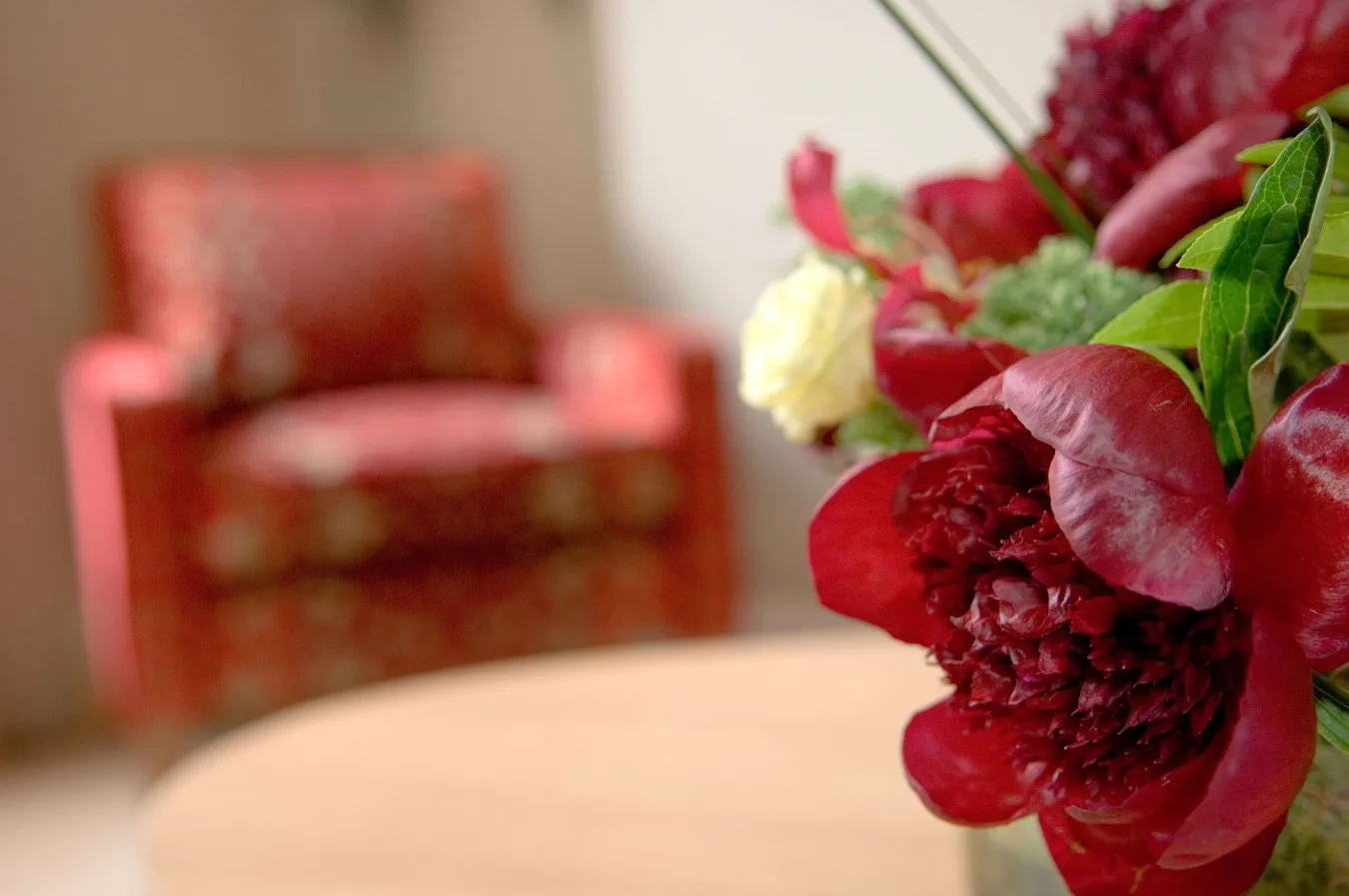
Turn up at the Isabella Plantation a fortnight early and you'll be looking at a lot of very green bushes. With spring flowers in London the timing matters more than the address: daffodils peak in March, blossom in April, and Richmond Park's azaleas right at the turn of April into May.
These windows shift by a week or two depending on the winter, and a mild February brings the whole lot forward. April averages a high of around 14°C, rarely warm but warm enough, and gets rain on about ten days, so keep one day flexible and check Kew's and the Royal Parks' social feeds for bloom updates the week before. Roughly, the season runs like this:
- February to March: camellias in sheltered gardens, including Mount Street Gardens in Mayfair
- March to early April: daffodils across Green Park
- March to April: magnolias, then cherry blossom in parks and residential streets
- Late April: wisteria on house fronts in Chelsea, Kensington and Belgravia
- Late April to early May: azaleas in the Isabella Plantation, Richmond Park
Central London, from Green Park to Holland Park
Green Park has no formal flower beds, and in spring it doesn't need any, because from March the grass under the plane trees fills with naturalised daffodils. Local legend pins the missing beds on Catherine of Braganza, who supposedly had the flowers dug up after catching Charles II picking them for another woman, though nobody can prove it. It is the easiest spring walk in the centre, with the Piccadilly, Victoria and Jubilee lines all stopping at Green Park station. Go on a weekday morning, before the Buckingham Palace crowds start cutting across it.
Mount Street Gardens in Mayfair has a sheltered microclimate that suits camellias and a few unusual trees; look for the camellias from February. Queen Mary's Gardens in Regent's Park, inside the Inner Circle, are famous for roses, which bloom in June rather than spring, so come for the daffodils and blossom and come back in summer for those.
Holland Park opens at 7.30am and shuts at dusk. Its Kyoto Garden, a gift from Kyoto in 1991, is at its best in spring with the waterfall running and the peacocks out on the lawns, although dogs aren't allowed in the Japanese garden. Afterwards, keep heading south, because in late April the residential streets of Kensington and Chelsea are the show, with wisteria hanging over the stucco front doors all the way from Kensington Church Street to the King's Road.
Staying in London?
Search 155 serviced apartments, or ask a residence for its private direct rate.
Get the direct rate → or call 020 3790 7766
Further out: Richmond Park and Kew
The best single spring display in London is the Isabella Plantation, a woodland garden in the middle of Richmond Park. Lord Sidmouth fenced it off from the deer in the early 19th century, and it opened to the public in 1953. It holds the National Plant Collection of Wilson 50 Kurume azaleas, brought over from Japan in the 1920s, and at their peak in late April and early May they line the streams and ponds in a solid band of pink, red and white. The big collections of rhododendron, magnolia and camellia make March and early April worth the trip as well.
Go in by Peg's Pond Gate or Broomfield Hill Gate. The nearest car park, Broomfield Hill, is a short walk away and full by late morning on May weekends, and the 85 and K3 buses stop on Warren Road, but from Kensington or Chelsea a taxi is simpler.
Nobody else in London does spring on Kew's scale, from early bulbs in February through to blossom and woodland flowers in late April. It opens daily at 10am and Kew suggests booking online. Get there on a weekday at opening, head for the far side first and work back towards the gates as the crowds build. Both the District line and the Overground's Mildmay line stop at Kew Gardens station, and it's a straight run on the District from South Kensington, Gloucester Road and Earl's Court. Wherever you go, the flowers look best and the parks are emptiest before 10am.
London weather by month
July is the warmest month, averaging 23°C by day. July has the fewest wet days (9) and October the most rain (80 mm). For sightseeing on foot, June scores best on our combined warmth-and-dryness measure.
| Month | Avg high | Avg low | Rain | Wet days | Chance a 7-day stay sees a washout | Record high / low |
|---|---|---|---|---|---|---|
| January | 8°C | 2°C | 74 mm | 13 | 53% | 16°C / -12°C |
| February | 8°C | 2°C | 51 mm | 10 | 43% | 18°C / -8°C |
| March | 11°C | 4°C | 45 mm | 9 | 44% | 23°C / -7°C |
| April | 14°C | 5°C | 54 mm | 10 | 44% | 26°C / -3°C |
| May | 17°C | 8°C | 54 mm | 9 | 39% | 30°C / -1°C |
| June | 20°C | 11°C | 58 mm | 9 | 35% | 34°C / 2°C |
| July | 23°C | 13°C | 52 mm | 9 | 34% | 34°C / 4°C |
| August | 22°C | 13°C | 68 mm | 9 | 37% | 37°C / 4°C |
| September | 19°C | 11°C | 62 mm | 9 | 39% | 29°C / 2°C |
| October | 15°C | 8°C | 80 mm | 11 | 47% | 27°C / -2°C |
| November | 11°C | 5°C | 76 mm | 12 | 52% | 18°C / -6°C |
| December | 8°C | 2°C | 69 mm | 12 | 50% | 16°C / -8°C |
Calculated NOAA GHCN-Daily observations at the Hampstead weather station, north London (records 1960–2015; averages from about 25 years per month). A wet day has 1 mm of rain or more.