Booking a serious London apartment: what we'd tell a friend
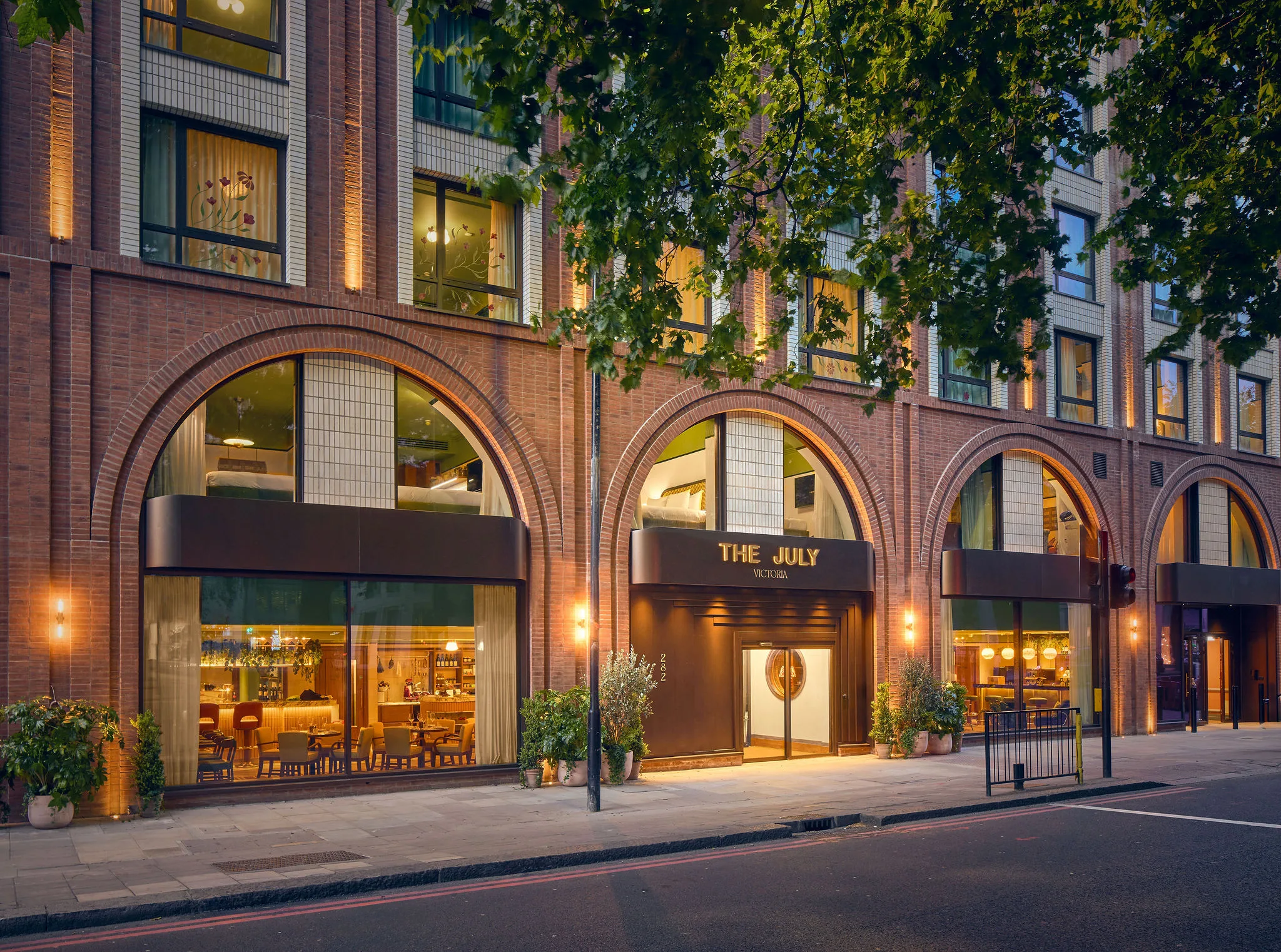
Book a building that's run as serviced apartments, not a flat that happens to be let by the night. In London that is a legal point as well as a practical one: a whole home can only be let short-term for 90 nights a year without planning permission, which is why so many holiday lets vanish from the booking sites by autumn. A proper residence has no cap, and it has staff.
Prices and minimum stays
Entry prices across the residences we list run from about £150 a night to nearly £800, and those are for the smallest apartment in each building. A three-bedroom in Mayfair or Knightsbridge in December will be several times that. Ask for the total, with cleaning, VAT and any deposit included; serviced apartments are usually more upfront about this than hotels, though not every one is.
Longer stays tend to cost less a night. Where the price breaks fall varies by building, but a week and a month are the usual points, so if your dates can move, ask for prices either side, as a stay of just over four weeks can cost less in total than one a few nights shorter. Most residences will take you for a few nights, while a handful won't go below four weeks. Those tend to be the calmest buildings, run for people living in London for a while, and they're worth asking about for a relocation or a long project.
The 90-night rule
Section 44 of the Deregulation Act 2015 lets a London homeowner short-let a whole home for up to 90 nights a year without a change of use. Past that, they need planning permission. For a guest this matters in two ways: the holiday let you liked in spring may not be free for a repeat visit in November, and a flat let well beyond the limit may be operating outside the rules. Buildings built or licensed for serviced use avoid both problems.
Staying in London?
Search 155 serviced apartments, or ask a residence for its private direct rate.
Get the direct rate → or call 020 3790 7766
Work out where you'll spend your days, then choose the postcode. Mayfair and Knightsbridge put you near Bond Street, Sloane Street and the big hotel restaurants, and both go quiet after about 10pm, which some guests love and others find maddening. Chelsea and Pimlico feel residential, with good local shops and fewer tourists. The City and Farringdon make sense for a working week and empty out at weekends, while Covent Garden is for theatre and late dinners, paid for in crowds. Transport is rarely the problem, since nearly every residence on the site is within about ten minutes' walk of a station.
What to ask before you commit
Listings are stuffed with amenities, and only a handful will change your stay: a staffed reception and whether it's there round the clock, a lift in the old Georgian and Victorian buildings, air conditioning, which matters more every summer, and a gym if you train daily. Pools are rare, so if one is non-negotiable, say so first. Bringing a dog is easier than people expect, since a fair number of residences take pets, but ask about size limits and cleaning charges.
For a family, count bathrooms as well as bedrooms. A three-bedroom with one bathroom is harder work than a two-bedroom with two, and central London has enough large apartments that you can afford to be picky. Check whether cots and high chairs are supplied, and whether the building will take a grocery delivery before you land.
Book early for Christmas and New Year, the school summer holidays and the week of the RHS Chelsea Flower Show in May, when the best family-sized flats in Chelsea and Knightsbridge go first. For a stay of 90 nights or more, start the conversation a couple of months ahead. Last-minute availability does exist too, particularly in January and early spring.