What a CEO actually needs from a London stay
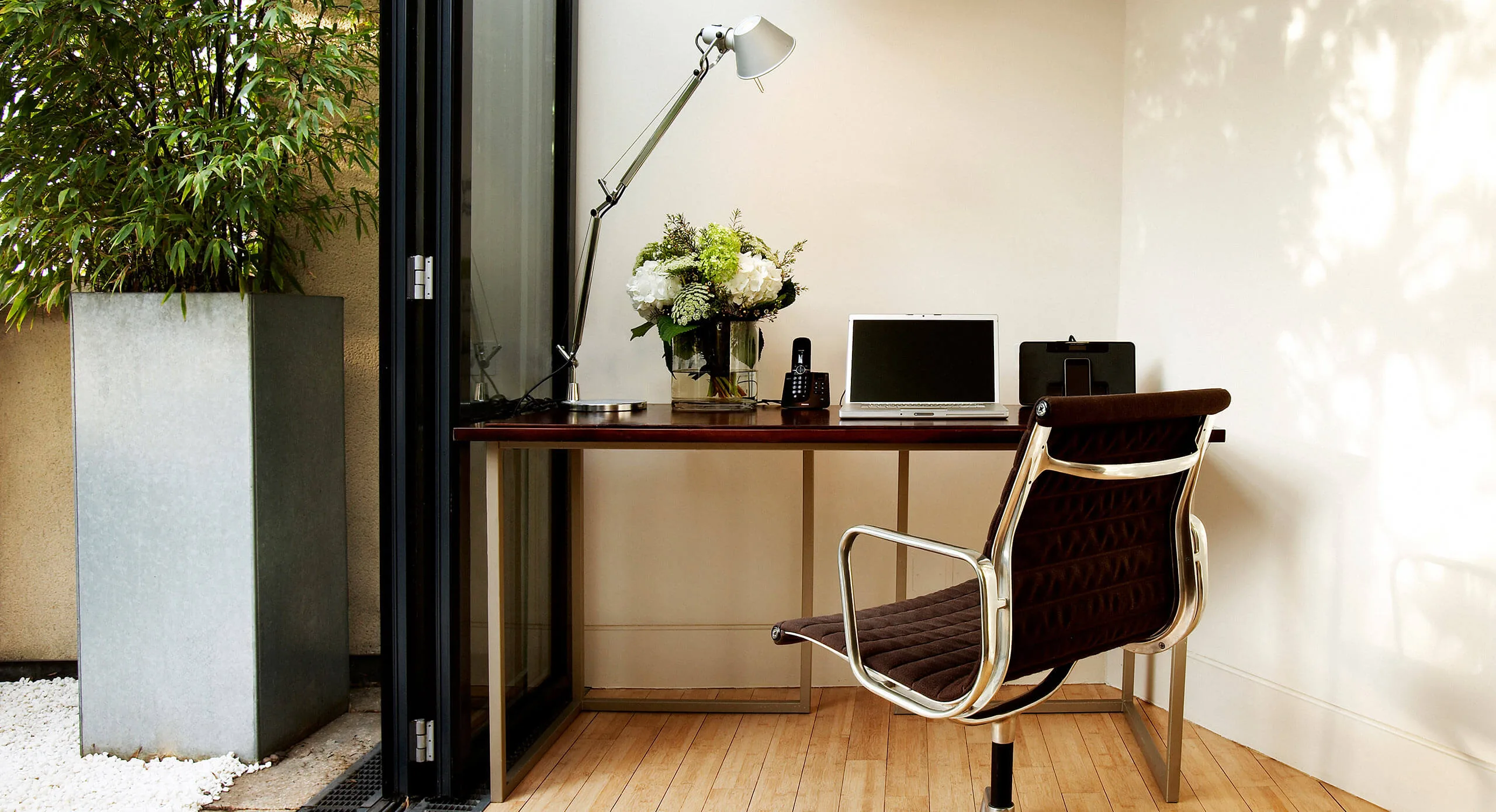
Most of what goes wrong on a senior executive's London trip is waiting: at passport control, at a reception desk, for a car that has gone to the wrong door, or for a table. Planning a top-end stay is largely about taking those waits out of the day, and that depends much less on marble than on knowing how one particular person likes to work.
So before booking anything, get the answers a chief of staff would want: early riser or late worker, gym or run, breakfast in or out, car or Tube, and whether they're happy to host a meeting where they're staying. Five minutes with the executive, or with the itinerary from their last trip, saves a week of small corrections. Keep it all in one document and reuse it, and by the second trip you shouldn't need to ask anything.
Arriving at Heathrow or City
Heathrow VIP is the answer when privacy matters most. It runs a separate suite with its own security and passport checks, and drives passengers between the suite and the aircraft. It isn't cheap and has to be booked ahead, but for a CEO landing on the morning of a board meeting it takes the terminal out of the day entirely.
Otherwise a driver waiting in arrivals is standard, though at rush hour the Heathrow Express to Paddington, about 15 minutes, often beats the car. The Elizabeth line runs straight through to Bond Street, Tottenham Court Road and Liverpool Street with no change. If the meetings are in the City or Canary Wharf, London City Airport is worth a look instead, since the DLR links it to both.
Staying in London?
Search 155 serviced apartments, or ask a residence for its private direct rate.
Get the direct rate → or call 020 3790 7766
The apartment, the gym and the car
Choose for function first and looks second. A separate sitting room, a proper desk and a second bedroom that can double as an office or put up a travelling assistant are what turn an apartment into a working base. Then ask the dull questions about whether there's a discreet entrance, how many apartments share the lift and whether staff are on site overnight, because for a well-known guest those answers count for more than anything in the brochure. It costs, of course: the priciest starting rate on our books is about £770 a night, and the bigger apartments in those same buildings go higher. Get early check-in confirmed in writing as well, since nobody off an overnight flight waits until 3pm gracefully.
If they train every day, raise the gym early. Only about a quarter of the residences mention one, so the usual fixes are a personal trainer who comes to the apartment or a day pass at a club nearby, and runners are fine anywhere near Hyde Park, Green Park or Regent's Park. Where there is a gym, check whether it's open round the clock or only when staffed, because a 5.30am session depends on it.
A visiting executive rarely needs their own car in central London, and parking is scarce anyway, with very few residences mentioning it at all. A chauffeur on account for the fixed points of the day and taxis in between is simpler and usually quicker. Do give the car firm the apartment's exact entrance. In mews streets and garden squares the front door isn't always on the road the postcode suggests, and a driver circling the block is exactly the kind of wait you're trying to remove.
Breakfasts and client dinners
Two addresses cover a surprising amount of West End entertaining. The Wolseley on Piccadilly opens early in a grand old car showroom and is the easiest way to fit a meeting in before the office, so book if the meeting matters. For dinner there's Scott's on Mount Street, a seafood restaurant in a room more or less built for impressing clients and a short walk from plenty of Mayfair apartments. Thursdays and Fridays need booking well ahead.
If they'd rather host at the apartment, ask the residence to recommend a private chef, and the dining table becomes the meeting room with nobody listening at the next table.