London in spring: what each month is like, and what to book
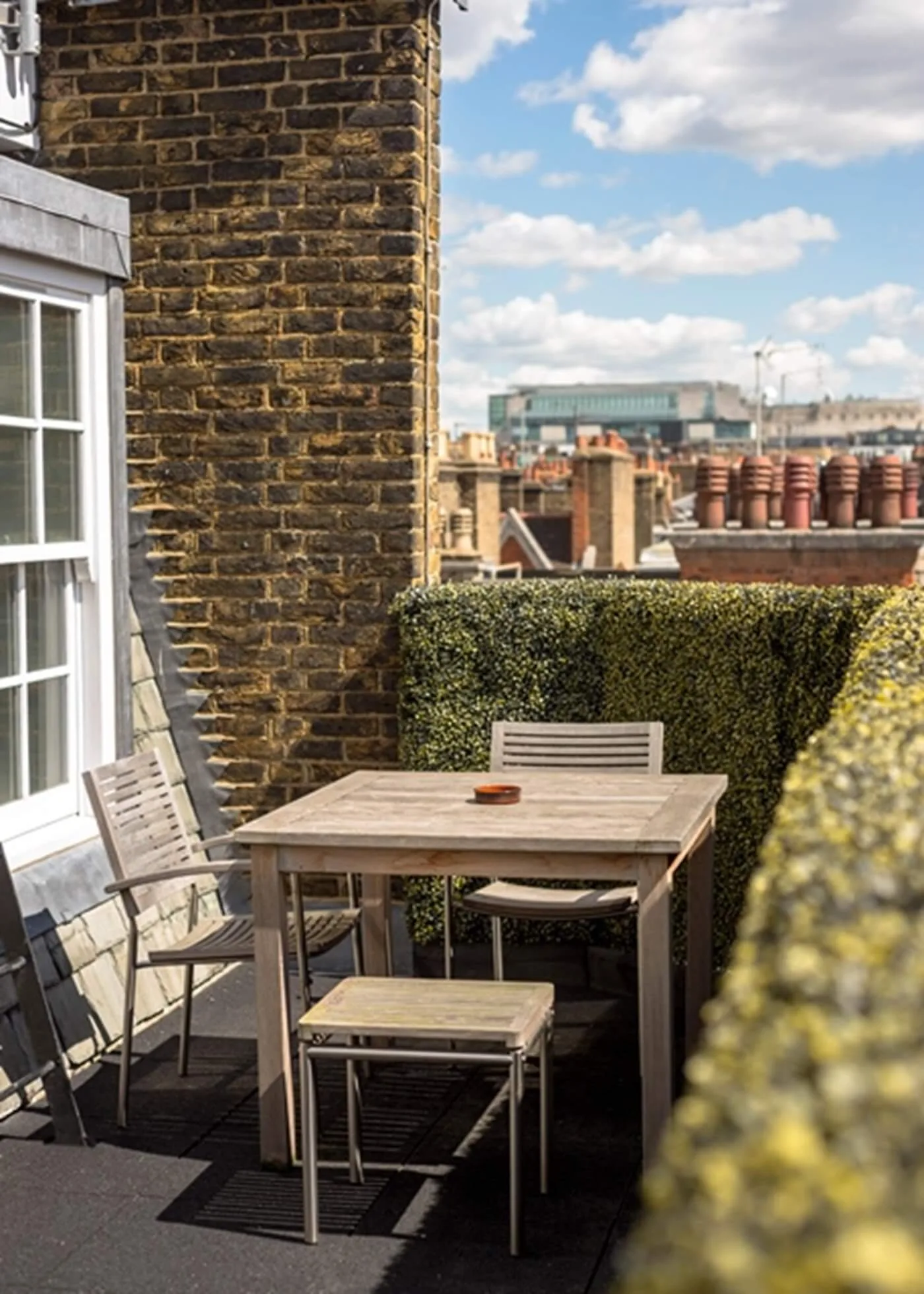
Spring reaches London later than most visitors expect. March days average only about 11°C, and it isn't until May that it feels reliably warm, so plan around the month you're actually coming in and book the handful of things that sell out.
March, April or May
March is the calmest choice, with daffodils out in the Royal Parks and hotels and restaurants easier to book, though you'll still want a coat and the evenings stay short until the clocks go forward on the last Sunday of the month. After that the light changes everything, and dinner starts to feel like it belongs outside. April brings blossom and Easter, which makes it the busiest month, as school holidays fill the museums and push up rates; if your dates are flexible, the week either side of Easter is calmer and better value. For most people May is the pick. It has the fewest wet days of the spring, along with two bank holiday Mondays, the first and last of the month, when some restaurants close and the parks fill.
For March daffodils, go to Green Park and St James's Park, both an easy walk from Mayfair and St James's. For cherry blossom, Cherry Tree Avenue in Greenwich Park is the one Londoners actually travel for. It usually peaks sometime in April, but the timing shifts every year, and in 2026 it was still holding on in the first week of the month. Go early on a weekday, because by late morning at the weekend the avenue is shoulder to shoulder with photographers.
The Mayor of London's St Patrick's festival falls on a Sunday close to 17 March, with a parade through the West End and a free stage in Trafalgar Square. Expect road closures around Piccadilly and Whitehall for most of the day, and leave extra time for any cab booked that afternoon.
Mothering Sunday, Easter and lunch outside
British Mother's Day falls three weeks before Easter Sunday, so it moves every year and catches plenty of overseas visitors out. Afternoon tea is the usual treat, and the classic is the Diamond Jubilee Tea Salon on the top floor of Fortnum & Mason on Piccadilly, which for Mothering Sunday needs booking several weeks ahead. Easter brings two bank holidays, Good Friday and Easter Monday. The big museums stay open, but smaller restaurants and independent shops may shut for the long weekend and supermarkets keep shorter hours on Easter Sunday, so stock the apartment kitchen on the Saturday. Easter is also the week to book furthest ahead, as accommodation, tea and restaurant tables all tighten at once.
Manicomio, the Italian restaurant on Duke of York Square just off Sloane Square, has one of Chelsea's better terraces for a long weekend lunch. A few minutes along the King's Road, The Ivy Chelsea Garden has a walled garden at the back that's more sheltered on a breezy April day. April nights still drop to around 5°C, though, so if you're booking dinner, ask for a table near a heater.
Staying in London?
Search 155 serviced apartments, or ask a residence for its private direct rate.
Get the direct rate → or call 020 3790 7766
Packing, and a day out with small children
Bring layers rather than a heavy coat, because an April day can go from cold drizzle at breakfast to bright sun by three o'clock.
- A light waterproof jacket that packs small
- A warm jumper or gilet for the evenings
- Comfortable shoes that cope with wet pavements and gravel park paths
- A compact umbrella (the big ones are a nuisance on the Tube)
- Sunglasses, which you'll need more often than you'd expect in May
With little ones, Surrey Docks Farm in Rotherhithe is a working city farm on the Thames, with goats, sheep, pigs and a café. Entry is free, spring is when you're most likely to see young animals about, and it's a short walk from Canada Water on the Jubilee line.
London weather by month
July is the warmest month, averaging 23°C by day. July has the fewest wet days (9) and October the most rain (80 mm). For sightseeing on foot, June scores best on our combined warmth-and-dryness measure.
| Month | Avg high | Avg low | Rain | Wet days | Chance a 7-day stay sees a washout | Record high / low |
|---|---|---|---|---|---|---|
| January | 8°C | 2°C | 74 mm | 13 | 53% | 16°C / -12°C |
| February | 8°C | 2°C | 51 mm | 10 | 43% | 18°C / -8°C |
| March | 11°C | 4°C | 45 mm | 9 | 44% | 23°C / -7°C |
| April | 14°C | 5°C | 54 mm | 10 | 44% | 26°C / -3°C |
| May | 17°C | 8°C | 54 mm | 9 | 39% | 30°C / -1°C |
| June | 20°C | 11°C | 58 mm | 9 | 35% | 34°C / 2°C |
| July | 23°C | 13°C | 52 mm | 9 | 34% | 34°C / 4°C |
| August | 22°C | 13°C | 68 mm | 9 | 37% | 37°C / 4°C |
| September | 19°C | 11°C | 62 mm | 9 | 39% | 29°C / 2°C |
| October | 15°C | 8°C | 80 mm | 11 | 47% | 27°C / -2°C |
| November | 11°C | 5°C | 76 mm | 12 | 52% | 18°C / -6°C |
| December | 8°C | 2°C | 69 mm | 12 | 50% | 16°C / -8°C |
Calculated NOAA GHCN-Daily observations at the Hampstead weather station, north London (records 1960–2015; averages from about 25 years per month). A wet day has 1 mm of rain or more.
London weather by month
July is the warmest month, averaging 23°C by day. July has the fewest wet days (9) and October the most rain (80 mm). For sightseeing on foot, June scores best on our combined warmth-and-dryness measure.
| Month | Avg high | Avg low | Rain | Wet days | Chance a 7-day stay sees a washout | Record high / low |
|---|---|---|---|---|---|---|
| January | 8°C | 2°C | 74 mm | 13 | 53% | 16°C / -12°C |
| February | 8°C | 2°C | 51 mm | 10 | 43% | 18°C / -8°C |
| March | 11°C | 4°C | 45 mm | 9 | 44% | 23°C / -7°C |
| April | 14°C | 5°C | 54 mm | 10 | 44% | 26°C / -3°C |
| May | 17°C | 8°C | 54 mm | 9 | 39% | 30°C / -1°C |
| June | 20°C | 11°C | 58 mm | 9 | 35% | 34°C / 2°C |
| July | 23°C | 13°C | 52 mm | 9 | 34% | 34°C / 4°C |
| August | 22°C | 13°C | 68 mm | 9 | 37% | 37°C / 4°C |
| September | 19°C | 11°C | 62 mm | 9 | 39% | 29°C / 2°C |
| October | 15°C | 8°C | 80 mm | 11 | 47% | 27°C / -2°C |
| November | 11°C | 5°C | 76 mm | 12 | 52% | 18°C / -6°C |
| December | 8°C | 2°C | 69 mm | 12 | 50% | 16°C / -8°C |
Calculated NOAA GHCN-Daily observations at the Hampstead weather station, north London (records 1960–2015; averages from about 25 years per month). A wet day has 1 mm of rain or more.