Three or four nights in London: how to plan them
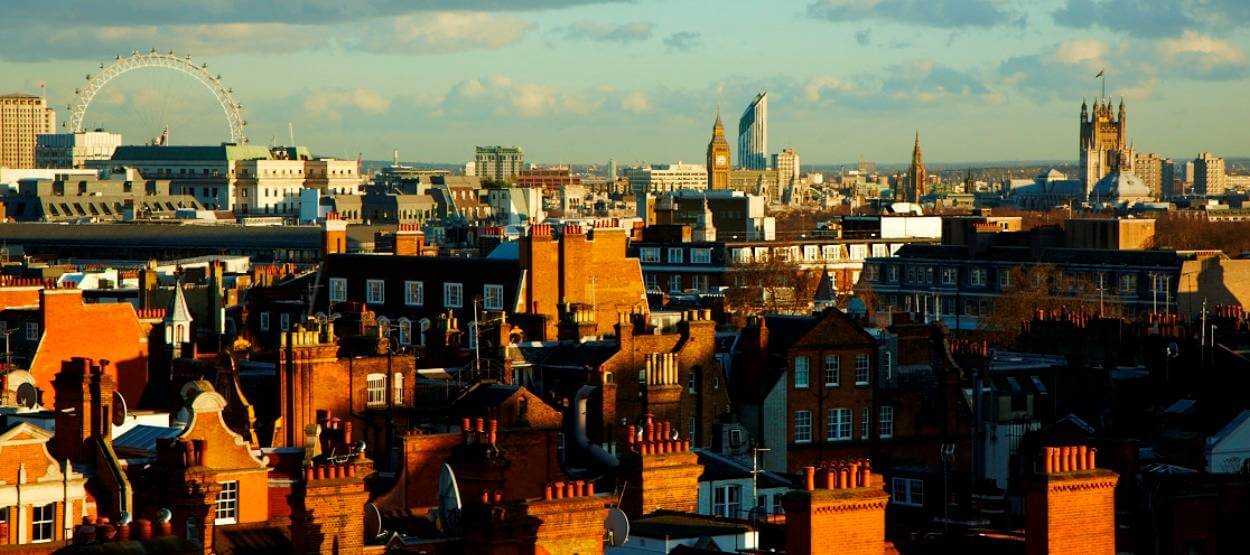
On a short London break, the hours you notice are the ones lost crossing town, so choose your base around the two or three things you most want to do and then walk. Nearly every residence we list is within ten minutes' walk of a station, which makes the neighbourhood a bigger decision than the station.
Where to base yourself
For a museum-heavy trip, Kensington and South Kensington make sense. Exhibition Road puts three of the big national collections on one street, Hyde Park is at the top of it, and the Piccadilly, District and Circle lines run from South Kensington station. Mayfair and St James's suit shopping and dinner, with Bond Street, Mount Street and Jermyn Street all walkable; it goes quiet after about 10pm, which some guests love and others find a bit flat on a Sunday night. If the trip is built round the theatre, stay in Covent Garden or the streets around Seven Dials, so you can walk home after the curtain instead of queuing for a cab on Shaftesbury Avenue.
Getting in from Heathrow
The Heathrow Express runs non-stop to Paddington in about 15 minutes, ideal if you're staying in Bayswater, Paddington or Marylebone. For Mayfair, Soho or the City the Elizabeth line is often the better bet, running from the airport straight through Paddington to Bond Street, Tottenham Court Road and Farringdon with no change and costing less than the Express, though it stops more often, so allow longer. With heavy luggage and a family in tow, a pre-booked car is worth the money. Traffic on the M4 and Cromwell Road decides how long it takes, so budget an hour and hope for 45 minutes.
Staying in London?
Search 155 serviced apartments, or ask a residence for its private direct rate.
Get the direct rate → or call 020 3790 7766
Museums, walks and weather
The V&A, the Natural History Museum and the Science Museum sit side by side in South Kensington and charge nothing for their permanent collections, which on a short break means a whole day with no tickets to sort out and an easy fallback if it rains. The Natural History Museum's main hall is busiest from late morning in the school holidays, so go at opening, head for the blue whale in Hintze Hall first, and save the V&A, which soaks up crowds far better, for the afternoon. Paid special exhibitions at all three often sell out at weekends, so book those before you travel.
If one museum day is enough, spend another on foot. Hyde Park to Buckingham Palace through Green Park takes about 40 minutes and passes the Wellington Arch and the Palace's front gates, and from there St James's Park leads to Horse Guards and Whitehall.
A city break doesn't hang on the season the way a beach holiday does, but it helps to know what you're packing for. July is the warmest month, October the wettest, and December is cold and damp with highs in single figures. In practice that means a light raincoat whatever the month and proper layers from November to March, while summer is when the parks, rooftops and terraces earn their keep.
For one night a hotel is usually simpler. From two or three nights, and especially with a family or a group of friends, an apartment starts to make sense, with separate bedrooms, a sitting room to regroup in and a kitchen for breakfast so you're not paying hotel prices for eggs. Check the minimum stay before you fall for somewhere, because while most residences take short stays, a few only accept bookings of four weeks or more. The median starting rate is about £270 a night, and weekends in December and June, along with dates around big events, go first.
London weather by month
July is the warmest month, averaging 23°C by day. July has the fewest wet days (9) and October the most rain (80 mm). For sightseeing on foot, June scores best on our combined warmth-and-dryness measure.
| Month | Avg high | Avg low | Rain | Wet days | Chance a 7-day stay sees a washout | Record high / low |
|---|---|---|---|---|---|---|
| January | 8°C | 2°C | 74 mm | 13 | 53% | 16°C / -12°C |
| February | 8°C | 2°C | 51 mm | 10 | 43% | 18°C / -8°C |
| March | 11°C | 4°C | 45 mm | 9 | 44% | 23°C / -7°C |
| April | 14°C | 5°C | 54 mm | 10 | 44% | 26°C / -3°C |
| May | 17°C | 8°C | 54 mm | 9 | 39% | 30°C / -1°C |
| June | 20°C | 11°C | 58 mm | 9 | 35% | 34°C / 2°C |
| July | 23°C | 13°C | 52 mm | 9 | 34% | 34°C / 4°C |
| August | 22°C | 13°C | 68 mm | 9 | 37% | 37°C / 4°C |
| September | 19°C | 11°C | 62 mm | 9 | 39% | 29°C / 2°C |
| October | 15°C | 8°C | 80 mm | 11 | 47% | 27°C / -2°C |
| November | 11°C | 5°C | 76 mm | 12 | 52% | 18°C / -6°C |
| December | 8°C | 2°C | 69 mm | 12 | 50% | 16°C / -8°C |
Calculated NOAA GHCN-Daily observations at the Hampstead weather station, north London (records 1960–2015; averages from about 25 years per month). A wet day has 1 mm of rain or more.